- Книга (2124)
- Газета (25)
- Журнал (259)
- Автореферат диссертации (341)
- Изоиздание (12)
- Аудиоиздание (2)
- Видеоиздание (50)
- Картографическое издание (3)
- Неопубликованный документ (2)
- Нотное издание (9)
- Фотография (9)
- Статья (2045)
- Библиографический указатель (6)
- Словарь (1)
- Брошюра (52)
- Буклет (17)
- Веб-архив (640)
- Не указан (4)
- Литературно-художественные издания (71)
- Официальные издания (44)
- Научные издания (2598)
- Научно-популярные издания (625)
- Информационные издания (974)
- Справочные издания (24)
- Учебные издания (858)
- Производственно-практические издания (11)
- Массово-политические издания (374)
- Изобразительное издание (14)
Год выпуска: 2024
Количество страниц: 5 с.
- Общественные науки. Образование > Народное образование. Воспитание. Обучение. Организация досуга > Высшее образование. Высшая школа. Подготовка научных кадров,
- НАУКА ЯКУТИИ > ОБЩЕСТВЕННЫЕ НАУКИ > Народное образование. Воспитание. Обучение. Организация досуга > Высшее образование. Высшая школа. Подготовка научных кадров.
- 1. Аргуновские чтения - 2025: материалы XI Международной конференции-workshop, посвященной 80-летию Победы в Великой Отечественной войне, г. Якутск, 17 апреля 2025 г., Культура Арктики. вып. 16, 2025
- 2. Шипиленко Екатерина Александровна. Отдельные проблемы интерпретации уголовно-правовых норм о невиновном причинении вреда = Some problems of interpretation of criminal law norms on innocent infliction of harm
- 3. Ксенофонтова Таисия Александровна. Роль родителей и школы в предотвращении правонарушений среди подростков = The role of parents and schools in preventing juvenile delinquency
- 4. Михайлов Николай Никитич. Современные методы фиксации и анализа цифровых следов в киберпреступлениях = Modern methods for recording and analyzing digital traces in cybercrimes
- 5. Попов Дамир Гаврильевич. Законодательные меры по защите детей в интернете = Legislative measures to protect children on the internet
- 6. Сон Лэй. Конституционно-правовые механизмы защиты цифровых прав в Российской Федерации и Китайской Народной Республике: сравнительный анализ = Constitutional and legal mechanisms for the protection of digital rights in the Russian Federation and the people’s Republic of China: a comparative analysis
- 7. Спиридонов Тимур Семенович. Опасные интернет-ресурсы для подростков = Dangerous online resources for teenagers
- 8. Третьякова Алина Альбертовна. Причины агрессивного поведения подростков и способы его предотвращения = The causes of aggressive behavior in adolescents and ways to prevent it
- 9. Уарова Надежда Александровна. Развитие системы дистанционного электронного голосования и перспективы его применения на выборах в Республике Саха (Якутия) = Development of electronic voting system and prospects for its application in elections in the Republic of Sakha (Yakutia)
- 10. Чемезов Михаил Петрович. Криминологическая характеристика служебного хищения = Criminological characteristics of theft using official position
- 11. Петрова Евгения Ильинична. Может ли печатная пресса конкурировать с цифровыми медиа в будущем? = Can print media compete with digital media in the future?
- 12. Иванова Валерия Романовна, Ильина Диана Артемовна. Правовое регулирование ответственного родительства в Республике Саха (Якутия) = Legal regulation of responsible parenthood in the Republic of Sakha (Yakutia)
- 13. Борисова Наталья Валерьевна, Шойдонова Елена Васильевна. Искусственный интеллект в якутской журналистике: использование ИИ как инструмента и перспективы его развития = Artificial intelligence in Yakut journalism: using ai as a tool and prospects for its development
- 14. Антонова Диана Николаевна. Портал "Илкэн": актуальное состояние и перспективы
- 15. Надькин Валерий Борисович, Чжан Хундань. Общественно-политическая лексика на занятиях по дисциплине "Основы российской государственности" = Socio-political vocabulary in classes on the subject "Fundamentals of Russian statehood"
- 16. Мурукова Алина Александровна. Экспресс-метод анализа фотоматериалов для начинающих бильд-редакторов = Express method for photo content analysis for novice picture editors
- 17. Базанова Ксения Андреевна, Сорочинский Максим Анатольевич, Мнацаканян Роберт Эдгарович. Искусственный интеллект как инструмент создания образовательного контента = Artificial intelligence as a tool for creating educational content
- 18. Китаева Алина Павловна, Охлопкова Яна Валерьевна. Роль вожатской деятельности в воспитании социальной ответственности у молодежи = The role of counselor in the education of social responsibility among young people
- 19. Анисимова Тина Владимировна, Романова Мария Никифоровна. Развитие технологической компетенции у студентов в процессе обучения швейному делу = Development of technological competence in students in the process of teaching training
- 20. Заболоцкая Лиана Павловна, Кожурова Алина Алексеевна. Диагностика дизайнерского мышления младших школьников посредством аппликации = Diagnostics of design thinking of younger schoolchildren through applications
- 21. Федорова Туйаара Алексеевна. Этнокультурное воспитание как основа духовно-нравственного саморазвития обучающихся в условиях Севера = Ethnocultural education as the basis of spiritual and moral self-development of students in the conditions of the North
- 22. Кукс Алексей Антонович, Артеменко Тарас Григорьевич. Анализ правового сознания студентов колледжа = Analysis of legal consciousness of college students
- 23. Захарова Виктория Николаевна, Симонова Вероника Дмитриевна, Филимонов Артем Вячеславович, Старостина Милена Александровна, Бубякин Эдуард Егорович. Правовое обеспечение кибербезопасности = Legal provision of cybersecurity
- 24. Охлопков Александр Федорович. Исследование влияния гражданской войны на политическое, экономическое и социальное развитие Республики Саха (Якутия) = Study of the impact of Сivil War on political, economic and social development of the Republic of Sakha (Yakutia)
- 25. Михайлова Анна Викторовна. Креативная экономика в Арктике: организационно-экономические аспекты = Сreative economy in the Arctic: organizational and economic aspects
- 26. Протопопова Кристина Андреевна. Культурные обмены и сотрудничество в условиях войны: взаимодействие культур СССР и США = Cultural exchanges and cooperation during the war: the interaction of cultures of the USSR and the USA
- 27. Скрябин Кирилл Дмитриевич. Традиционные физические практики в контексте якутского эпоса = Traditional physical practices in the context of Yakut epic
- 28. Солодухина Таисия Евгеньевна. Становление народного ислама: между традицией и ортодоксией = The formation of folk islam: between tradition and orthodoxy
- 29. Федорова Туйаара Денисовна. Этнодемографические процессы в арктических улусах Республики Саха (Якутия) = Ethno-demographic processes in the Republic of Sakha (Yakutia) according to the data of the All-Russian and All-Union population censuses
- 30. Алексеева Анастасия Даниловна. История экологического активизма в Якутии
- 31. Сивцев-Андреев Артем Егорович. История изучения межнациональных отношений в Якутии: обзор основных этапов и направлений = History of international relations in Yakutia: review of major stages and directions
- 32. Захарова Лиалко Олеговна. Нарративный подход как метод изучения идентичности эвенов в местах их компактного проживания в Республике Саха (Якутия) = Narrative approach as a method of studying the identity of Even people in the places of their compact settlement in Sakha Republic (Yakutia)
- 33. Томская Анна Владимировна. Фрейм-анализ якутского кинематографа: как фильмы формируют восприятие социальной реальности = Frame analysis of Yakut cinema: how films shape the perception of social reality
- 34. Александрова Тамара Алексеевна. Повышение лояльности сотрудников при помощи цифровых технологий = Increasing employee loyalty through digital technology
- 35. Васильев Александр Владимирович. Местное самоуправление в системе публичной власти России: конституционно-правовые проблемы и пути совершенствования = Local self-government in the system of public power in Russia: constitutional and legal problems and ways of improvement
- 36. Аргунова Лира. Путь к науке участника Великой Отечественной войны Ивана Александровича Аргунова = The path to science of Ivan Alexandrovich Argunov, the participant in the Great Patriotic War
- 37. Подвиг якутского народа в музыке Захара Степанова = The heroism of the Yakut people in the music of Zakhar Stepanov
- 38. Аргунова-Лоу Татьяна Ивановна. Материальное наследие народа саха в музеях мира
- 39. Филиппова Дария Николаевна. Социология молодежи: исследования отдела этносоциологии Института гуманитарных исследований и проблем малочисленных народов Севера СО РАН (2000–2020 годы) = Sociology of youth: studies of the Ethnosociology Department of the Institute of Humanitarian Research and Problems of small-numbered peoples of the North (2000–2020)
- 40. Андреева Ангелина Афанасьевна, Попова Карина Николаевна. Кибер-мошенничество среди несовершеннолетних: анализ причин и профилактика = Cyber fraud among minors: cause analysis and prevention
- 41. Архипова Сайына Егоровна. Кибербуллинг как форма деструктивного поведения подростков = Cyberbullying as a form of destructive behavior of teenagers
- 42. Афанасьев Андрей Исаевич. Концепция пространства как эволюция территориального суверенитета = The concept of space as the evolution of territorial sovereignty
- 43. Борисова Анна Сергеевна, Попова Карина Николаевна. К вопросу о мошенничестве по материалам Республики Саха (Якутия) = About fraud in the Republic of Sakha
- 44. Бурцева Анастасия Тимофеевна, Макарова Милена Валерьевна, Уарова Надежда Александровна. К вопросу об институте наставничества в сфере профилактики правонарушений несовершеннолетних = On the issue of the institute of mentoring in the sphere of prevention of juvenile delinquency
- 45. Семенова Ольга Ивановна, Чьямова Татьяна Васильевна. Роль медиацентров образовательных организаций в формировании позитивного информационного поля для популяризации генеалогических исследований среди учащихся = The role of media centers of educational organizations in the formation of a positive information field for the popularization of genealogical research among students
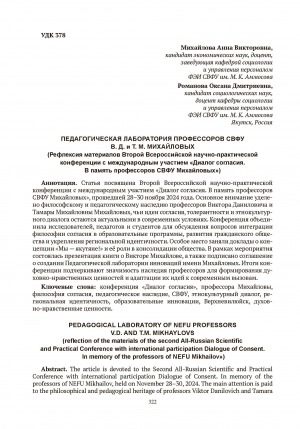
The article is devoted to the Second All-Russian Scientific and Practical Conference with international participation Dialogue of Consent. In memory of the professors of NEFU Mikhailov, held on November 28–30, 2024. The main attention is paid to the philosophical and pedagogical heritage of professors Viktor Danilovich and Tamara Mikhailovna Mikhailov, whose ideas of consent, tolerance and ethnocultural dialogue remain relevant in modern conditions... The conference brought together researchers, educators and students to discuss the integration of the philosophy of consent into educational programs, the development of civil society and the strengthening of regional identity. A special place was taken by the reports on the "We are Yakuts" concept! һ and its role in the consolidation of society. Within the framework of the event, a presentation of a book about Viktor Mikhailov was held, and an agreement was signed on the creation of the Mikhailov Pedagogical Innovation Laboratory. The results of the conference emphasize the importance of the heritage of professors for the formation of spiritual and moral values and the adaptation of their ideas to modern challenges.
Михайлова, А. В. Педагогическая лаборатория профессоров СВФУ В. Д. и Т. М. Михайловых : (Рефлексия материалов второй Всероссийской научно-практической конференции с международным участием "Диалог согласия. В память профессоров СВФУ Михайловых" / А. В. Михайлова, О. Д. Романова ; Северо-Восточный федеральный университет им. М. К. Аммосова, Финансово-экономический институт // Аргуновские чтения - 2025 : материалы XI Международной конференции-workshop, посвященной 80-летию Победы в Великой Отечественной войне, г. Якутск, 17 апреля 2025 г. - Якутск : ИЦ НБ РС (Я), 2025. - (Культура Арктики ; вып. 16). - С. 322-326.
Количество страниц: 7 с.
- Общественные науки. Образование > Народное образование. Воспитание. Обучение. Организация досуга > Общеобразовательная школа. Дошкольные учреждения,
- Философия. Психология > Психология,
- НАУКА ЯКУТИИ > ОБЩЕСТВЕННЫЕ НАУКИ > Народное образование. Воспитание. Обучение. Организация досуга > Общеобразовательная школа. Дошкольные учреждения,
- НАУКА ЯКУТИИ > ФИЛОСОФИЯ. ПСИХОЛОГИЯ > Психология.
- 1. Игонина Светлана Викторовна. Медицинская тема в русской литературе = Medical theme in Russian literature
- 2. Ноева Елена Евгеньевна, Яндубаева Лидия Сергеевна . Исследование финансового потенциала муниципального образования Арктической зоны (на примере Жиганского района РС (Я) = A study of the financial potential of the municipality of the Arctic zone: the case of Zhigansky district of the Republic of Sakha (Yakutia))
- 3. Яковлева Евдокия Павловна. Роль жизнестойкости в адаптации молодёжи к новым реалиям = The role of resilience in youth adaptation to new realities
- 4. Дишкант Елена Валерьевна, Соловьева Мария Сергеевна. К 80-летию доктора педагогических наук, профессора Светланы Максимовны Петровой = On the 80th anniversary of Doctor of Pedagogical Sciences, Professor Svetlana Maksimovna Petrova
- 5. Неустроева Анна Николаевна. Профессор Августина Васильевна Иванова: учёный, педагог, созидатель = Professor Augustina Ivanova: scholar, teacher, creator
- 6. Калаврий Татьяна Юрьевна, Федоров Юрий Юрьевич. Адаптация методических рекомендаций к потенциалу опорного населенного пункта на примере городского поселения Алдан в Республике Саха (Якутия) = Adaptation of methodological recommendations to the potential of a key settlement: the case of the urban settlement of Aldan, Yakutia
- 7. Сибилева Елена Валерьевна, Ефимова Арина Александровна. Техногенные катастрофы и вызовы природопользованию в регионе Республика Саха (Якутия) = Man-made disasters and challenges to environmental management in the Sakha Republic (Yakutia)
- 8. Винокурова Марфа Александровна. Развитие событийного туризма на территории Республики Саха (Якутия) = Development of event tourism in the Republic of Sakha (Yakutia)
- 9. Баттахов Петр Петрович. Особенности правового регулирования территорий Дальневосточного федерального округа и Арктической зоны с преференциальным режимом = Peculiarities of legal regulation of the territories of the Far Eastern Federal District and the Arctic zone with preferential treatment
- 10. Васягина Наталия Николаевна, Градинар Екатерина Васильевна. Психологические особенности восприятия детско-родительских отношений в семьях, воспитывающих младших подростков = Psychological features of perception of parent-child relationships in families raising young adolescents
- 11. Болотаева Ольга Сергеевна. Некоторые аспекты правового регулирования цифровых платформ в Российской Федерации = Some aspects of the legal regulation of digital platforms in the Russian Federation
- 12. Ефимова Мария Прометеевна. Криминогенные детерминанты насильственного поведения в сфере семейных отношений = Criminogenic determinants of violent behavior in the field of family relations
- 13. Корякина Зинаида Ивановна. К вопросу об обязательном участии защитника в уголовном судопроизводстве = On the issue of mandatory participation of a defense attorney in criminal proceedings
- 14. Павлова Арзулана Акрамовна. К вопросу о понятии "цифровая преступность" = On the concept of "digital crime"
- 15. Парфенова Ольга Афанасьевна, Николаев Алексей Ильич. Леналенд: анализ геополитического статуса Якутии в XXI веке = Lenaland: analysis of Yakutia’s geopolitical status in the 21st century
- 16. Горохова Анна Ивановна, Сидоров Ян Николаевич. История урбанонимов г. Якутска как индикатор политики памяти = History of urbanonyms the city of Yakutsk as an indicator of memory policies
- 17. Шишкина Светлана Кирилловна, Новиков Виталий Николаевич. История международных спортивных игр "Дети Азии" = The history of international sports games for "Asian Children"
- 18. Корякина Анжелина Анатольевна. Межкультурный мировоззренческий подход как стратегия воспитания личности = Intercultural worldview approach as a strategy for personality development
- 19. Саввинов Василий Михайлович. Оценка вовлеченности молодежи в образовательные инициативы = Evaluation of youth involvement in educational initiatives
- 20. Давлетбаков Арслан Асхатович, Бабичева Рита Исмагиловна, Семенова Мария Николаевна, Корзникова Елена Александровна. Анализ влияния ближнего порядка на механизмы деформации при сдвиге высокоэнтропийных сплавов TiNbZrV и TiNbZrhf = Analysis of short-range ordering effect on shear deformation mechanisms of high-entropy alloys TiNbZrV and TiNbZrhf
- 21. Кузьмина Раиса Петровна. Символические образы насекомых в эвенском фольклоре = Symbolic images of insects in even folklore
- 22. Федоров Артур Григорьевич, Жондорова Любовь Леонидовна, Федорова Любовь Константиновна. Методы оценки и анализа разрешающей способности цифровых голографических микроскопов = Method for estimating and analyzing the resolution of digital holographic microscopy
- 23. Самсонова Лариса Николаевна. Лексико-семантические и структурно-грамматические характеристики эргонимов г. Якутска = Lexical-semantic and structural-grammatical characteristics of ergonyms in Yakutsk
- 24. Слепцова Галина Николаевна. Наименования мер длины – компоненты фразеологизмов, пословиц и поговорок в якутском, русском и английском языках = Names of length measures – components of phraseological units, proverbs and sayings in Yakut, Russian and English
- 25. Яковлева Любовь Анатольевна, Евтухова Алина Максимовна. Лингвокультурные особенности русских и эвенкийских гидронимов Южной Якутии = Linguocultural characteristics of Russian and Evenki hydronyms in South Yakutia
- 26. Сивцева Наталия Александровна. Сообщение о Всероссийской научно-практической конференции "Актуальные проблемы лексической и грамматической семантики", посвященной 75-летию со дня рождения доктора филологических наук Николая Николаевича Ефремова = A review of the All-Russian scientific and practical conference “Current problems of lexical and grammatical semantics” dedicated to the 75th anniversary of the birth of Doctor of Philological Sciences Nikolay Nikolaevich Efremov
- 27. Илларионов Василий Васильевич, Илларионова Туяра Васильевна. Творческий феномен С. А. Зверева – Кыыл Уола и его значение для сохранения якутского фольклорного наследия = The creative phenomenon of Sergey Zverev – Kyyl Uola and its significance for the preservation of Yakut folklore heritage
- 28. Сатанар Марианна Тимофеевна. Эпосы олонхо и нимкан в контексте знаковых систем = The epics of Olonkho and Nimkan in the context of sign systems
- 29. Хохолова Ирена Семеновна. Особенности цветообозначений в эпосе и способы их перевода с якутского на французский язык = Features of color meanings in the epic and their translation strategies from Yakut into French
- 30. Пинелис Иосиф Семенович, Петрова Александра Моисеевна, Малежик Маргарита Сергеевна, Шнитова Ирина Валерьевна, Ушницкий Иннокентий Дмитриевич. Роль дисбиоза полости рта в патологии органов дыхания и системных заболеваниях = The role of oral dysbiosis in respiratory pathology and systemic diseases (literature review)
- 31. Жиркова Евгения Егоровна. Образная лексика звукомимического происхождения, характеризующая выражение лица персонажей олонхо = Figurative vocabulary of sound-mimic origin characterizing facial expressions of olonkho characters
- 32. Борисова Валерия Сергеевна. Общетюркская аналитическая конструкция в абыйском говоре якутского языка (на материале полевых исследований) = The Turkic analytical construction in the Abyi dialect of the Yakut language (based on field research)
- 33. Давыдова Лиана Николаевна, Иванова Саргылана Владимировна. Перевод терминологии индустрии красоты на якутский язык. Кэрэ эйгэтин тиэрминнэрин сахалыы тылбааhа = Translation of beauty industry terminology into the Yakut language
- 34. Ефимова Людмила Степановна. Термины национальной гастрономической культуры якутов в записях Я. И. Линденау (I половина XVIII в.) = Terms of the national gastronomic culture of the Yakuts in the records of Jacob Lindenau (first half of the 18th century)
- 35. Ефремова Надежда Анатольевна, Семенова Светлана Владимировна. Лексико-семантический анализ имен собственных якутского эпоса олонхо = Lexical and semantic analysis of proper names in the Yakut epic olonkho
- 36. Яковлева Любовь Анатольевна, Кутузова Виктория Максимовна. Семантика топонимического пространства Южной Якутии как инструмент патриотического воспитания = Semantics of the toponymic space of Southern Yakutia as a tool for patriotic education
- 37. Пшенникова Галина Максимовна, Николаева Татьяна Яковлевна, Адамова Рената Николаевна. Распространенность и терапия эпилепсии в Якутии = Prevalence and treatment of epilepsy in Yakutia
- 38. Вестник Северо-Восточного федерального университета им. М. К. Аммосова, 2025, №3 (101)
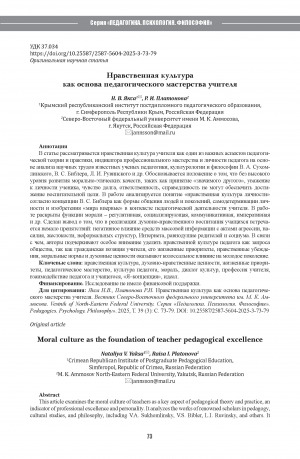
This article examines the moral culture of teachers as a key aspect of pedagogical theory and practice, an indicator of professional excellence and personality. It analyzes the works of renowned scholars in pedagogy, cultural studies, and philosophy, including V. A. Sukhomlinsky, V. S. Bibler, L. I. Ruvinsky, and others. It substantiates the proposition that without a high level of development of moral and ethical qualities, such as acceptance of “significant others,” respect for the student’s personality, a sense of duty, responsibility, and fairness, educational goals cannot be achieved. The paper analyzes the concept of “moral culture” according to the Bibler’s concept as a form of communication between people and generations, self-determination, and the invention of “the world for the first time” in the context of a teacher’s pedagogical activity. The paper explores the functions of morality: regulatory, socializing, communicative, imperative, and others. It concludes that the implementation of students’ spiritual and moral education faces numerous obstacles: the negative influence of the media, with its acts of aggression, violence, and cruelty, informal structures, the internet, and parental and social indifference. Therefore, the authors emphasize the need to pay special attention to the moral culture of teachers as a societal imperative, as teachers’ civic position, life priorities, moral convictions, moral norms, and spiritual values have a colossal impact on the younger generation.
Якса, Н. В. Нравственная культура как основа педагогического мастерства учителя / Н. В. Якса, Р. И. Платонова ; Крымский республиканский институт постдипломного педагогического образования, Северо-Восточный федеральный университет им. М. К. Аммосова // Вестник Северо-Восточного федерального университета им. М. К. Аммосова. Серия "Педагогика. Психология. Философия". - 2025. - N 3 (39). - С. 73-79. - DOI: 10.25587/2587-5604-2025-3-73-79
DOI: 10.25587/2587-5604-2025-3-73-79
Количество страниц: 9 с.
- Общественные науки. Образование > Народное образование. Воспитание. Обучение. Организация досуга > Высшее образование. Высшая школа. Подготовка научных кадров,
- НАУКА ЯКУТИИ > ОБЩЕСТВЕННЫЕ НАУКИ > Народное образование. Воспитание. Обучение. Организация досуга > Высшее образование. Высшая школа. Подготовка научных кадров.
- 1. Игонина Светлана Викторовна. Медицинская тема в русской литературе = Medical theme in Russian literature
- 2. Ноева Елена Евгеньевна, Яндубаева Лидия Сергеевна . Исследование финансового потенциала муниципального образования Арктической зоны (на примере Жиганского района РС (Я) = A study of the financial potential of the municipality of the Arctic zone: the case of Zhigansky district of the Republic of Sakha (Yakutia))
- 3. Яковлева Евдокия Павловна. Роль жизнестойкости в адаптации молодёжи к новым реалиям = The role of resilience in youth adaptation to new realities
- 4. Дишкант Елена Валерьевна, Соловьева Мария Сергеевна. К 80-летию доктора педагогических наук, профессора Светланы Максимовны Петровой = On the 80th anniversary of Doctor of Pedagogical Sciences, Professor Svetlana Maksimovna Petrova
- 5. Неустроева Анна Николаевна. Профессор Августина Васильевна Иванова: учёный, педагог, созидатель = Professor Augustina Ivanova: scholar, teacher, creator
- 6. Калаврий Татьяна Юрьевна, Федоров Юрий Юрьевич. Адаптация методических рекомендаций к потенциалу опорного населенного пункта на примере городского поселения Алдан в Республике Саха (Якутия) = Adaptation of methodological recommendations to the potential of a key settlement: the case of the urban settlement of Aldan, Yakutia
- 7. Сибилева Елена Валерьевна, Ефимова Арина Александровна. Техногенные катастрофы и вызовы природопользованию в регионе Республика Саха (Якутия) = Man-made disasters and challenges to environmental management in the Sakha Republic (Yakutia)
- 8. Винокурова Марфа Александровна. Развитие событийного туризма на территории Республики Саха (Якутия) = Development of event tourism in the Republic of Sakha (Yakutia)
- 9. Баттахов Петр Петрович. Особенности правового регулирования территорий Дальневосточного федерального округа и Арктической зоны с преференциальным режимом = Peculiarities of legal regulation of the territories of the Far Eastern Federal District and the Arctic zone with preferential treatment
- 10. Васягина Наталия Николаевна, Градинар Екатерина Васильевна. Психологические особенности восприятия детско-родительских отношений в семьях, воспитывающих младших подростков = Psychological features of perception of parent-child relationships in families raising young adolescents
- 11. Болотаева Ольга Сергеевна. Некоторые аспекты правового регулирования цифровых платформ в Российской Федерации = Some aspects of the legal regulation of digital platforms in the Russian Federation
- 12. Ефимова Мария Прометеевна. Криминогенные детерминанты насильственного поведения в сфере семейных отношений = Criminogenic determinants of violent behavior in the field of family relations
- 13. Корякина Зинаида Ивановна. К вопросу об обязательном участии защитника в уголовном судопроизводстве = On the issue of mandatory participation of a defense attorney in criminal proceedings
- 14. Павлова Арзулана Акрамовна. К вопросу о понятии "цифровая преступность" = On the concept of "digital crime"
- 15. Парфенова Ольга Афанасьевна, Николаев Алексей Ильич. Леналенд: анализ геополитического статуса Якутии в XXI веке = Lenaland: analysis of Yakutia’s geopolitical status in the 21st century
- 16. Горохова Анна Ивановна, Сидоров Ян Николаевич. История урбанонимов г. Якутска как индикатор политики памяти = History of urbanonyms the city of Yakutsk as an indicator of memory policies
- 17. Шишкина Светлана Кирилловна, Новиков Виталий Николаевич. История международных спортивных игр "Дети Азии" = The history of international sports games for "Asian Children"
- 18. Корякина Анжелина Анатольевна. Межкультурный мировоззренческий подход как стратегия воспитания личности = Intercultural worldview approach as a strategy for personality development
- 19. Якса Наталья Владимировна, Платонова Раиса Ивановна. Нравственная культура как основа педагогического мастерства учителя = Moral culture as the foundation of teacher pedagogical excellence
- 20. Давлетбаков Арслан Асхатович, Бабичева Рита Исмагиловна, Семенова Мария Николаевна, Корзникова Елена Александровна. Анализ влияния ближнего порядка на механизмы деформации при сдвиге высокоэнтропийных сплавов TiNbZrV и TiNbZrhf = Analysis of short-range ordering effect on shear deformation mechanisms of high-entropy alloys TiNbZrV and TiNbZrhf
- 21. Кузьмина Раиса Петровна. Символические образы насекомых в эвенском фольклоре = Symbolic images of insects in even folklore
- 22. Федоров Артур Григорьевич, Жондорова Любовь Леонидовна, Федорова Любовь Константиновна. Методы оценки и анализа разрешающей способности цифровых голографических микроскопов = Method for estimating and analyzing the resolution of digital holographic microscopy
- 23. Самсонова Лариса Николаевна. Лексико-семантические и структурно-грамматические характеристики эргонимов г. Якутска = Lexical-semantic and structural-grammatical characteristics of ergonyms in Yakutsk
- 24. Слепцова Галина Николаевна. Наименования мер длины – компоненты фразеологизмов, пословиц и поговорок в якутском, русском и английском языках = Names of length measures – components of phraseological units, proverbs and sayings in Yakut, Russian and English
- 25. Яковлева Любовь Анатольевна, Евтухова Алина Максимовна. Лингвокультурные особенности русских и эвенкийских гидронимов Южной Якутии = Linguocultural characteristics of Russian and Evenki hydronyms in South Yakutia
- 26. Сивцева Наталия Александровна. Сообщение о Всероссийской научно-практической конференции "Актуальные проблемы лексической и грамматической семантики", посвященной 75-летию со дня рождения доктора филологических наук Николая Николаевича Ефремова = A review of the All-Russian scientific and practical conference “Current problems of lexical and grammatical semantics” dedicated to the 75th anniversary of the birth of Doctor of Philological Sciences Nikolay Nikolaevich Efremov
- 27. Илларионов Василий Васильевич, Илларионова Туяра Васильевна. Творческий феномен С. А. Зверева – Кыыл Уола и его значение для сохранения якутского фольклорного наследия = The creative phenomenon of Sergey Zverev – Kyyl Uola and its significance for the preservation of Yakut folklore heritage
- 28. Сатанар Марианна Тимофеевна. Эпосы олонхо и нимкан в контексте знаковых систем = The epics of Olonkho and Nimkan in the context of sign systems
- 29. Хохолова Ирена Семеновна. Особенности цветообозначений в эпосе и способы их перевода с якутского на французский язык = Features of color meanings in the epic and their translation strategies from Yakut into French
- 30. Пинелис Иосиф Семенович, Петрова Александра Моисеевна, Малежик Маргарита Сергеевна, Шнитова Ирина Валерьевна, Ушницкий Иннокентий Дмитриевич. Роль дисбиоза полости рта в патологии органов дыхания и системных заболеваниях = The role of oral dysbiosis in respiratory pathology and systemic diseases (literature review)
- 31. Жиркова Евгения Егоровна. Образная лексика звукомимического происхождения, характеризующая выражение лица персонажей олонхо = Figurative vocabulary of sound-mimic origin characterizing facial expressions of olonkho characters
- 32. Борисова Валерия Сергеевна. Общетюркская аналитическая конструкция в абыйском говоре якутского языка (на материале полевых исследований) = The Turkic analytical construction in the Abyi dialect of the Yakut language (based on field research)
- 33. Давыдова Лиана Николаевна, Иванова Саргылана Владимировна. Перевод терминологии индустрии красоты на якутский язык. Кэрэ эйгэтин тиэрминнэрин сахалыы тылбааhа = Translation of beauty industry terminology into the Yakut language
- 34. Ефимова Людмила Степановна. Термины национальной гастрономической культуры якутов в записях Я. И. Линденау (I половина XVIII в.) = Terms of the national gastronomic culture of the Yakuts in the records of Jacob Lindenau (first half of the 18th century)
- 35. Ефремова Надежда Анатольевна, Семенова Светлана Владимировна. Лексико-семантический анализ имен собственных якутского эпоса олонхо = Lexical and semantic analysis of proper names in the Yakut epic olonkho
- 36. Яковлева Любовь Анатольевна, Кутузова Виктория Максимовна. Семантика топонимического пространства Южной Якутии как инструмент патриотического воспитания = Semantics of the toponymic space of Southern Yakutia as a tool for patriotic education
- 37. Пшенникова Галина Максимовна, Николаева Татьяна Яковлевна, Адамова Рената Николаевна. Распространенность и терапия эпилепсии в Якутии = Prevalence and treatment of epilepsy in Yakutia
- 38. Вестник Северо-Восточного федерального университета им. М. К. Аммосова, 2025, №3 (101)
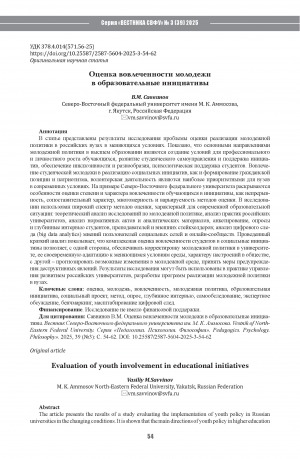
The article presents the results of a study evaluating the implementation of youth policy in Russian universities in the changing conditions. It is shown that the main directions of youth policy in higher education are the creation of conditions for the professional and personal growth of students, the development of student self-government and support for initiatives, ensuring inclusivity and diversity, and psychological support for students. The involvement of students in the implementation of social initiatives, as well as the formation of citizenship and patriotism, volunteering are the highest priorities for universities in modern conditions. Using the example of the North-Eastern Federal University, the features of evaluation the degree and nature of students’ involvement in initiatives are revealed, such as continuity, comparative nature, multidimensionality and variability of evaluation methods. The study presents a range of assessment methods relevant to the current educational landscape, including an analysis of regulations and analytical materials, questionnaires, factor and statistical analyses, in-depth interviews, surveys, and an analysis of best practices. The study utilized a theoretical analysis of youth policy research, an analysis of Russian university practices, surveys and in-depth interviews with students, faculty, and external stakeholders, and a digital footprint analysis (big data analytics) of social media user opinions and online communities. A brief analysis shows that a comprehensive evaluation of students’ involvement in social initiatives allows, on the one hand, to ensure the adjustment of youth policy at the university, its timely adaptation to changing environmental conditions, the nature of public sentiment; on the other - to predict possible changes in the youth environment, to take measures to prevent destructive phenomena. The results of the research can be used in the practice of managing the development of Russian universities, developing programs for the implementation of youth policy in universities.
Саввинов, В. М. Оценка вовлеченности молодежи в образовательные инициативы / В. М. Саввинов ; Северо-Восточный федеральный университет им. М. К. Аммосова // Вестник Северо-Восточного федерального университета им. М. К. Аммосова. Серия "Педагогика. Психология. Философия". - 2025. - N 3 (39). - С. 54-62. - DOI: 10.25587/2587-5604-2025-3-54-62
DOI: 10.25587/2587-5604-2025-3-54-62
Год выпуска: 2026
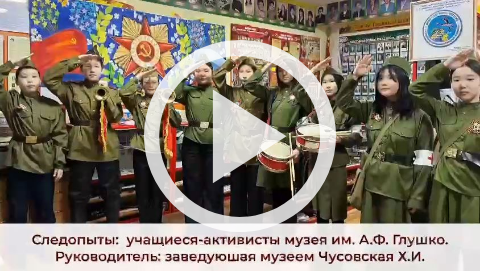
Издательство: Поисково-исследовательский клуб "Красный следопыт"
Год выпуска: 2026
Издательство: Кэскил
Год выпуска: 2026
Количество страниц: 210 с.
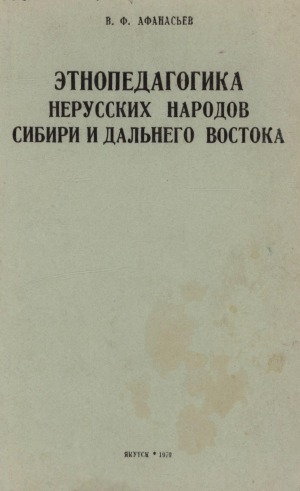
Издательство: Якутское книжное издательство
Год выпуска: 1979
Количество страниц: 192 с.
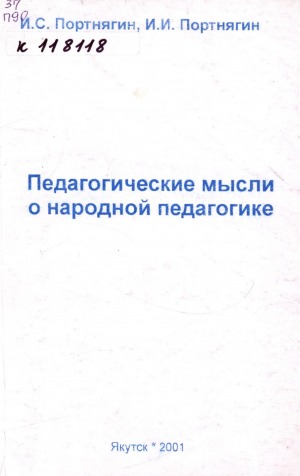
Издательство: Издательство ДНиСПО МО РС(Я)
Год выпуска: 2001
Количество страниц: 164 с.